Trajectory
From classrooms to the field, and back again.
I am a mechanical engineering researcher interested in the point where analytical methods meet real problems. I currently work at Universitas Sumatera Utara, with three main directions: advanced manufacturing, multi-criteria decision systems, and community-rooted engineering. This page is not a CV summary. It is closer to a note on how those three directions eventually met.
How it began
I came from a family that shaped me in unusual ways. From an early age I was encouraged to express myself openly, to treat discussion as a way of solving problems, to think critically, and to stay close to both social life and the natural world. Much of what I still carry today, including the way I choose problems to work on, began there.
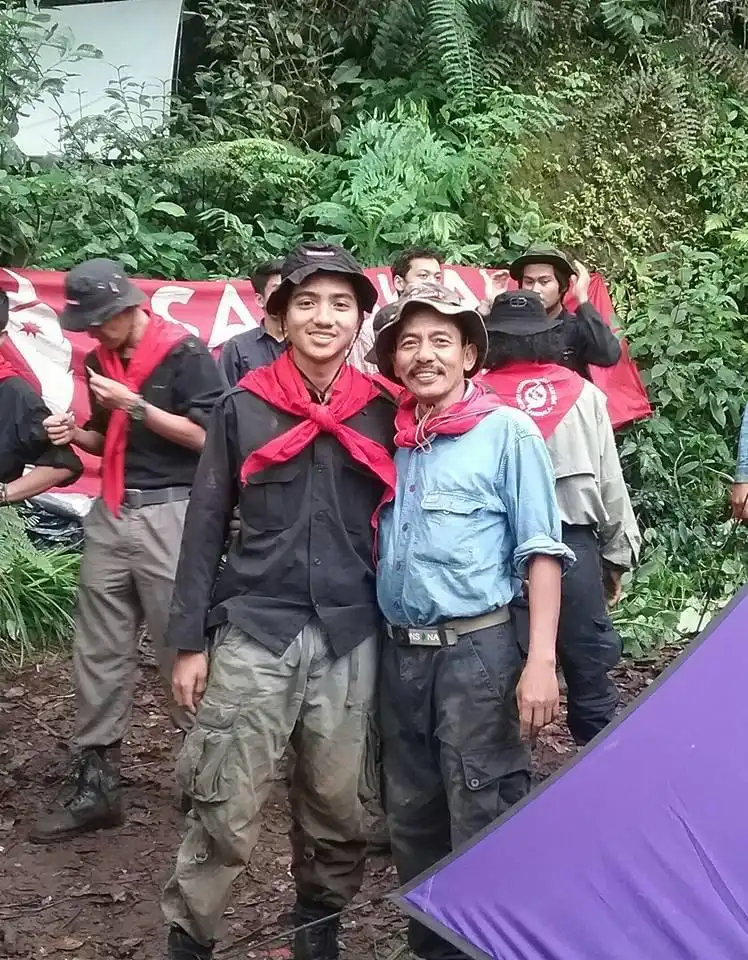
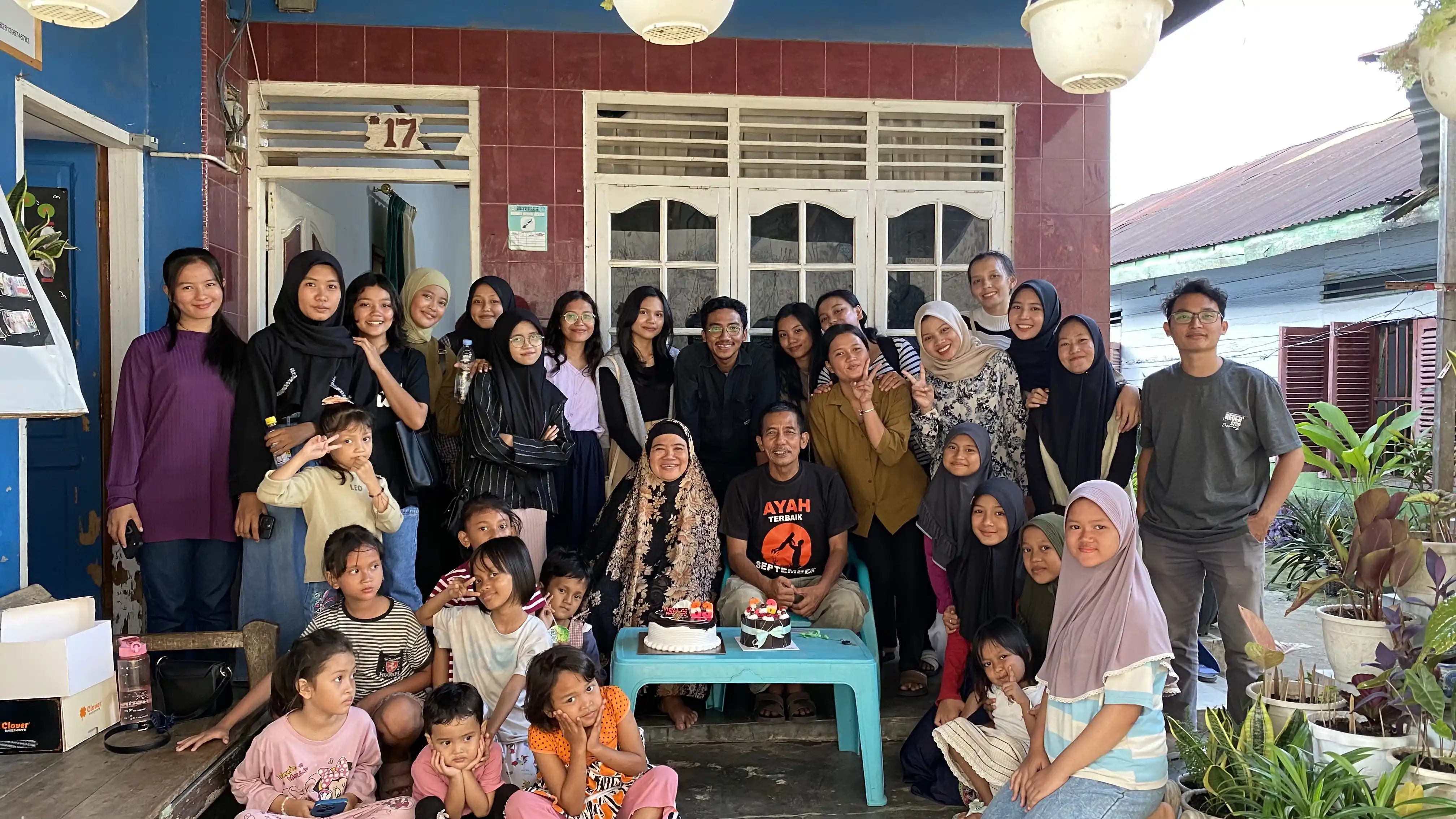
Part of the way I see the world was shaped by very different kinds of spaces.
When the time came to choose an undergraduate major, I was taught to be realistic. What drew me most at that point were long discussions, politics, social questions, and philosophical debate. But my parents encouraged me to choose a field in the exact sciences, because that was where I was academically strongest. That is how I entered Mechanical Engineering at Universitas Andalas.
From the beginning, what interested me most was not manufacturing theory by itself, but the small questions that often get ignored: why one surface ends up smoother than another, why process A is more consistent than process B, and what shapes an engineer's decision when the available data is incomplete.
Undergraduate years in Padang
During my undergraduate years, I was active on campus. I joined the Mechanical Engineering Student Association, the faculty outdoor community we knew as PAITUA, and the Faculty of Engineering student executive board. In that board, I was trusted to lead the Department of Strategic Studies and Action, a role that shaped how I read problems, work with others, and speak openly.
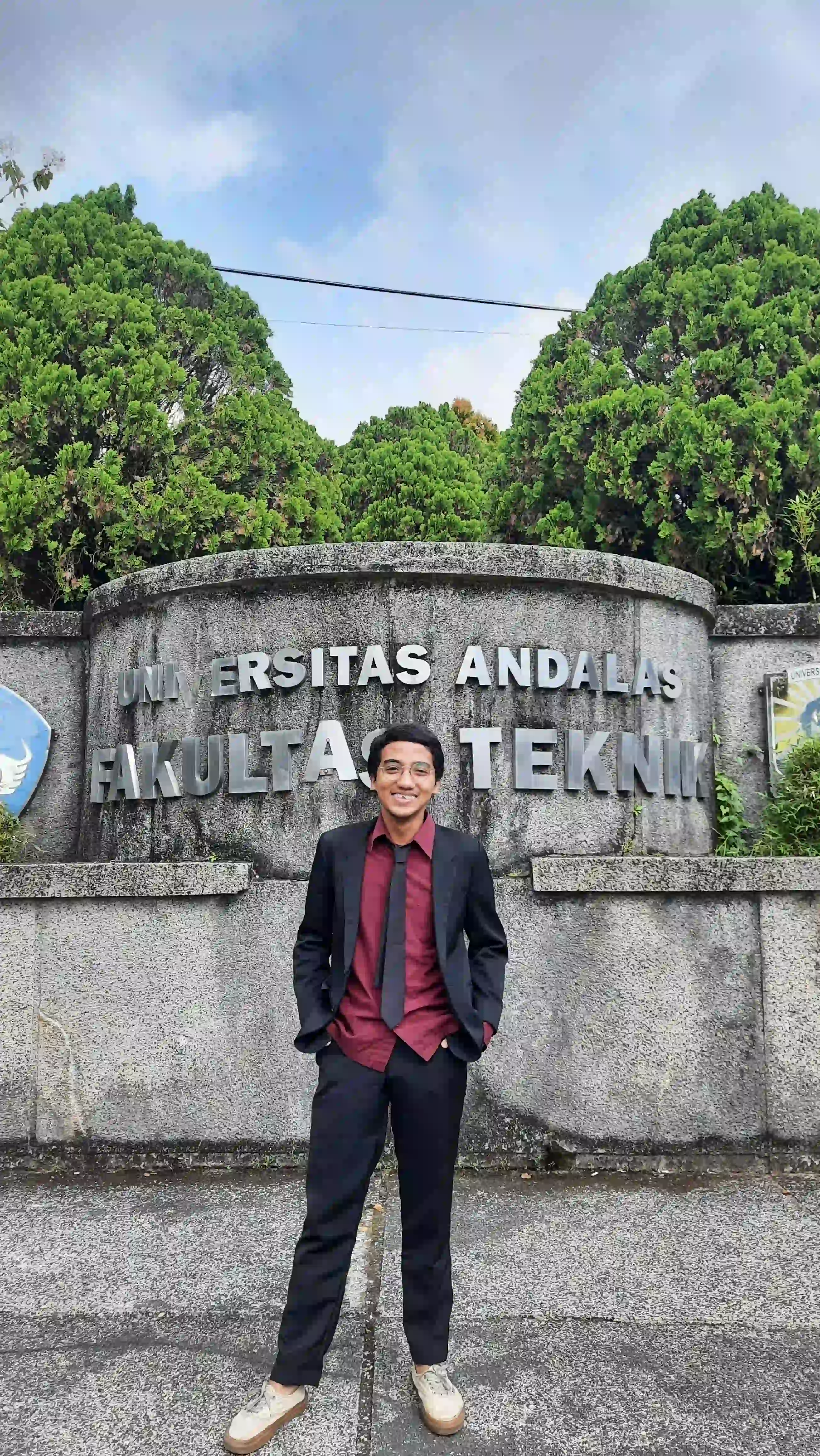
During this phase, engineering began to feel like a way of thinking, not only a major.
That trust did not come only from organizational work. It also grew out of my interest in thinking through social and environmental questions from an engineering point of view. As a future engineer, I believed development should remain a source of hope. But development that harms communities, local traditions, or the environment is something I cannot accept. This was the phase when I began to understand that learning does not stop in classrooms or laboratories. It also happens in forums, organizations, the field, and the real problems people actually face.
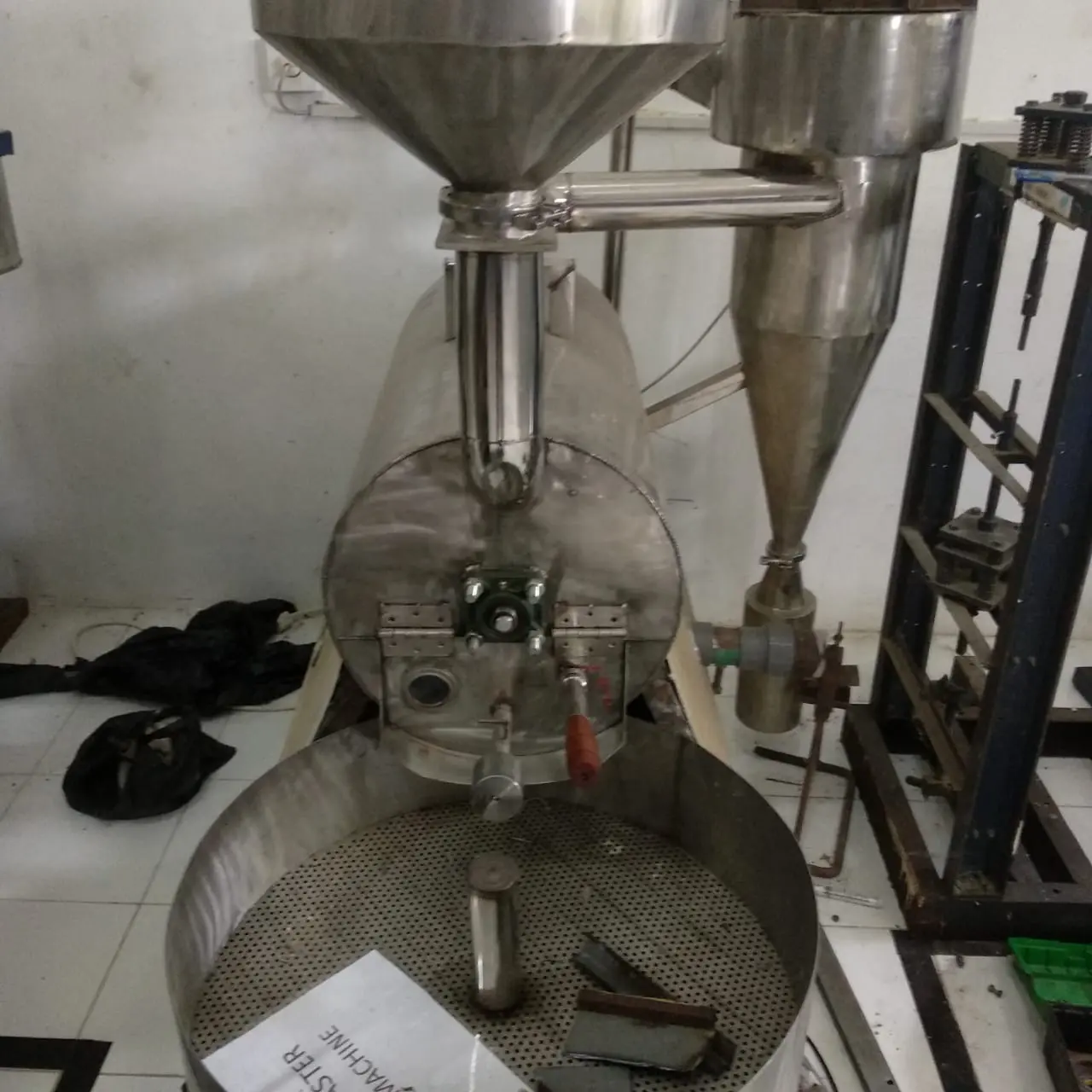
Outside organizations, I also worked as an assistant in the Mechatronics and Production Automation Laboratory. That was where I seriously sharpened the combination of mechanics, informatics, and electronics, a combination that later became the foundation for much of my work. I closed my undergraduate study with an automation project for a hot-air coffee roasting machine controlled by PLC. I still value that project, not because it was extraordinary, but because it was the first time I felt I could place theory and practical skill on the same table.
Moving to Medan for graduate study
At first, I did not imagine becoming an academic. It felt like I had spent enough time learning inside classrooms, and that it was time to go outside and implement what I knew. But because of the circumstances, I decided to stay in Medan after graduation. With encouragement from my parents, especially my late abah, Dr. Zahedi, who was also an academic, I eventually continued into the Master's program in Mechanical Engineering at Universitas Sumatera Utara.
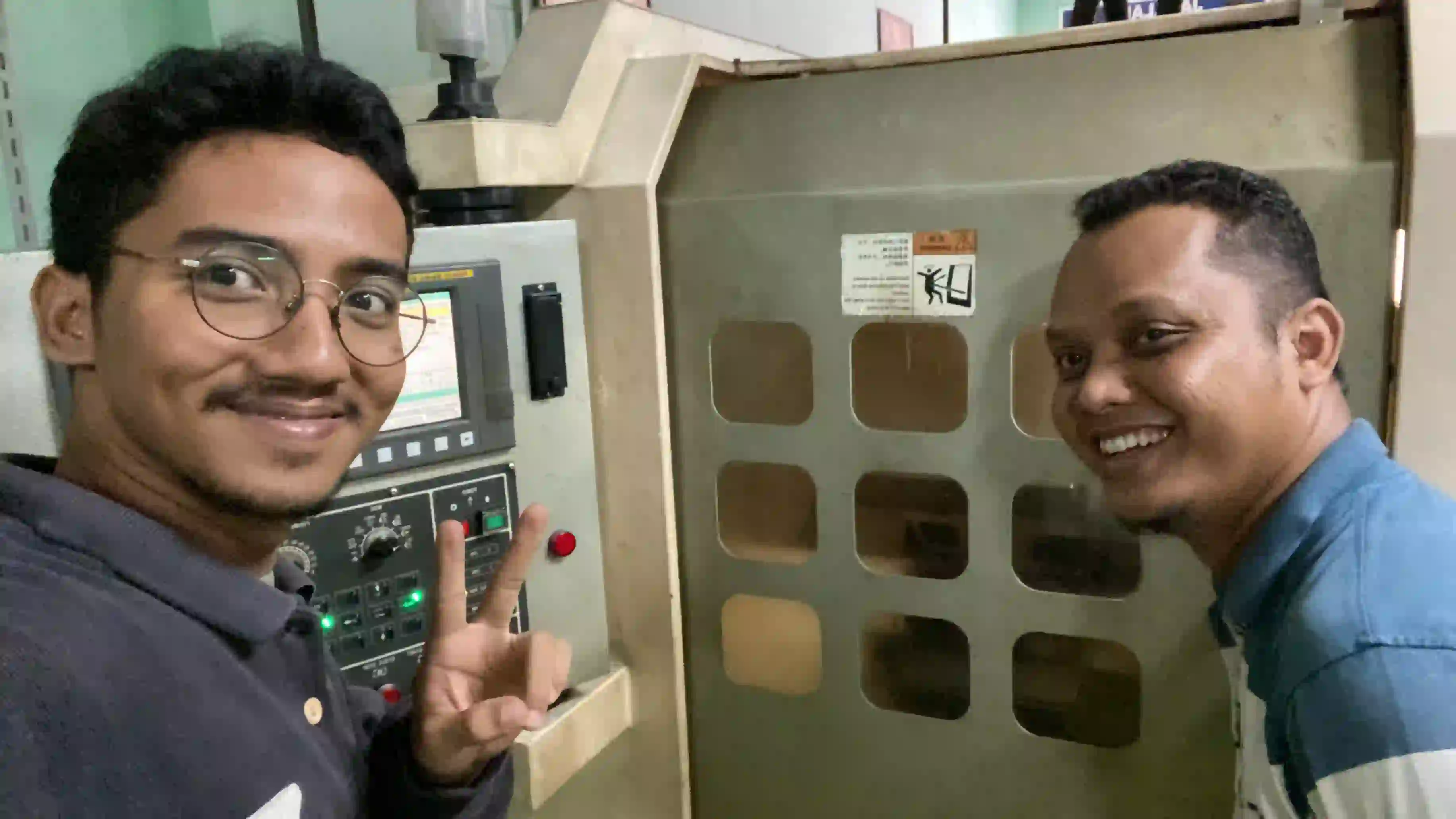
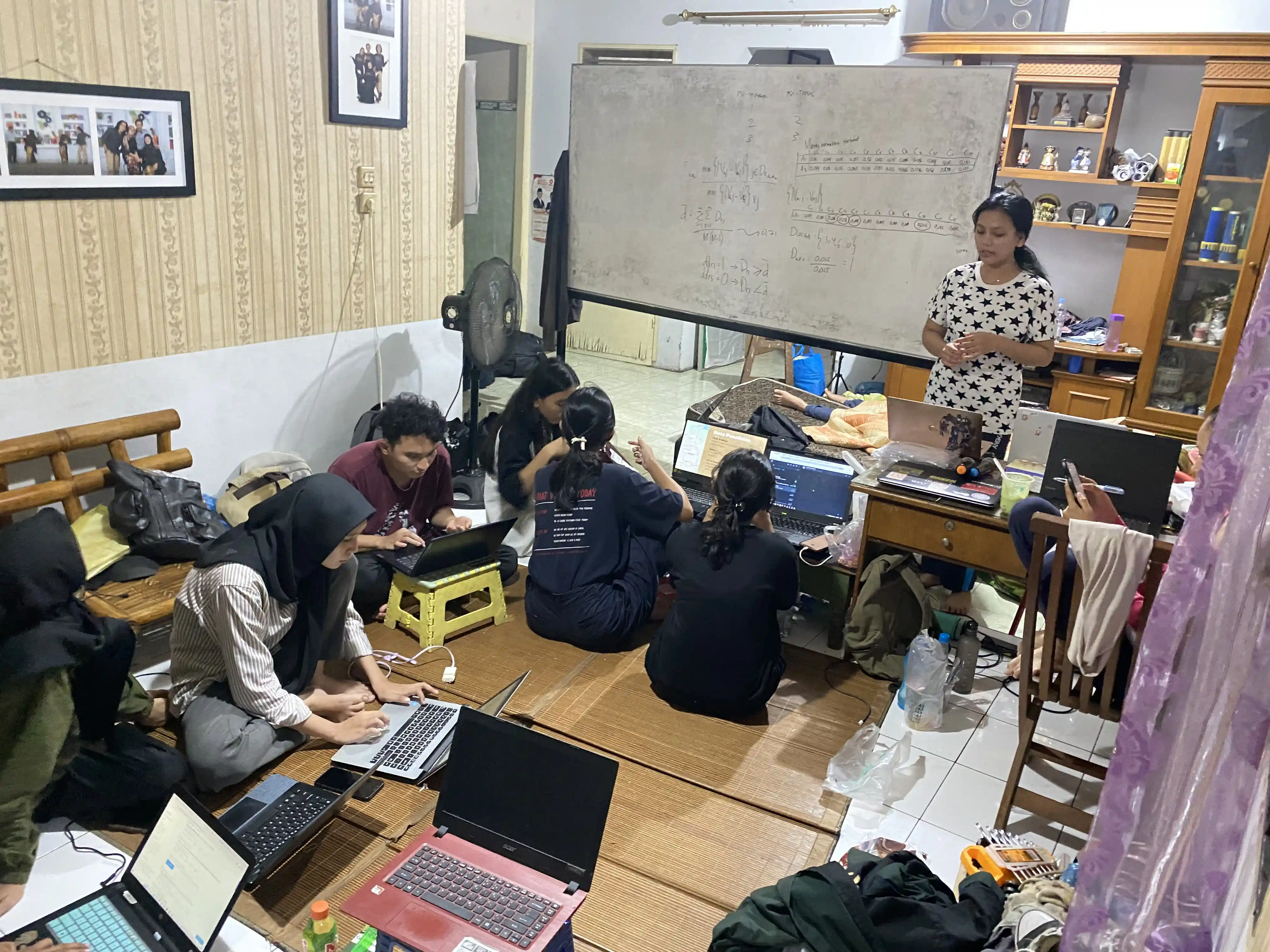
During this phase, I also grew alongside SANGKALA, a self-development community grounded in outdoor activity, to which I still dedicate part of my time. Through that space I became more deeply engaged with social, environmental, and wildlife issues, while also learning that collective work is not only about togetherness. It is also about caring for the relationship between people, nature, and social responsibility.
That transition into graduate study shaped many things. I was introduced more directly to the three sides of academic work at once: research, community work, and teaching. Around that time I also started my own study circle for students near me, with regular sessions on Fridays, Saturdays, and Sundays. Teaching sharpened me in a very direct way, because it forced me to read and master the material before each meeting, and from there I often found research questions I had not previously noticed.
Together with colleagues and students, one paper after another was published, including work that later appeared through Springer and Wiley. The fuller record is available on the Publications page.
Parallel lines of work
Running in parallel with teaching was community-based work. This time it did not take the form of protest, but of building things in places where people needed technical support.
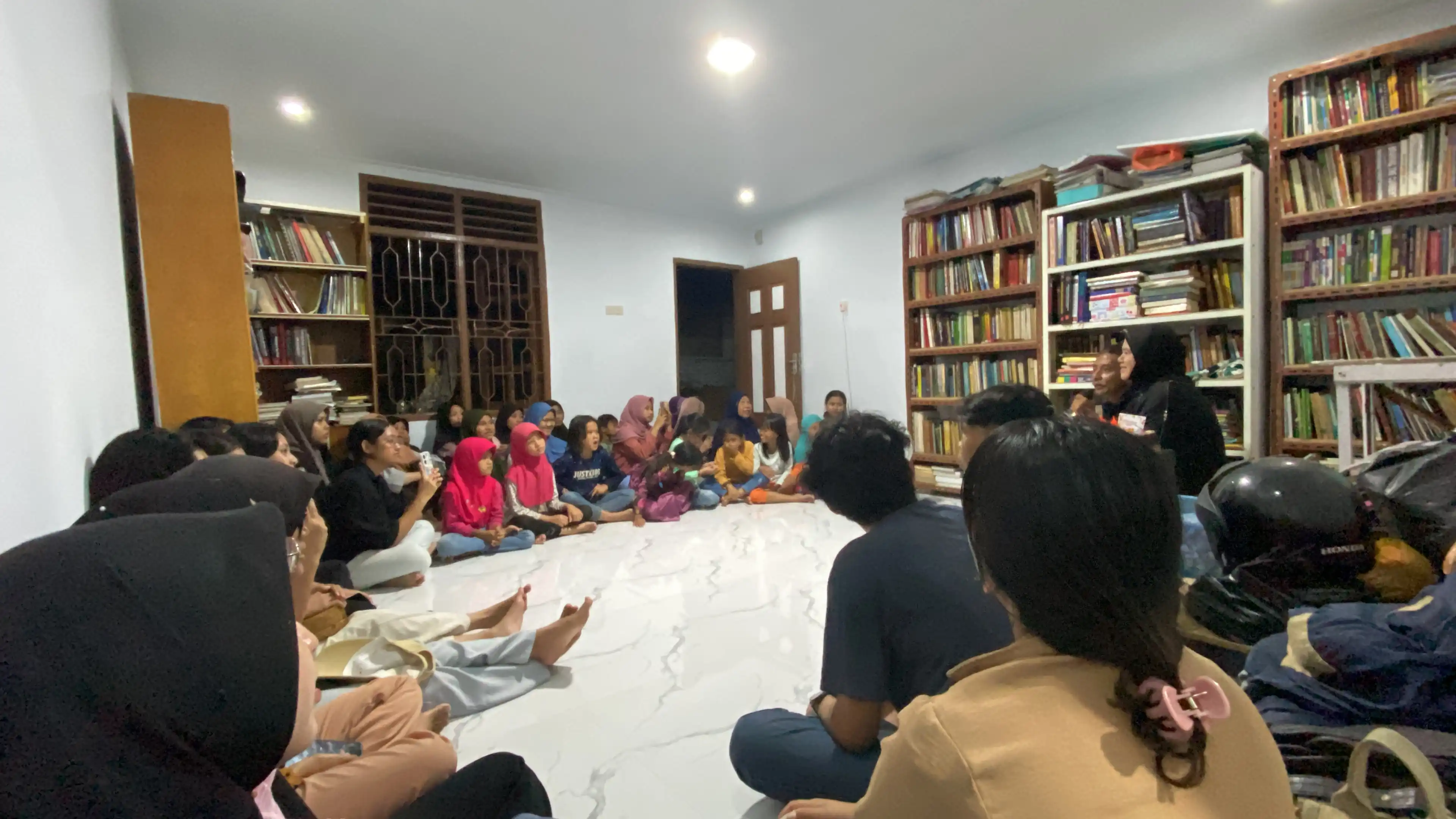
Some of my convictions were formed in discussion, others were tested in the field.
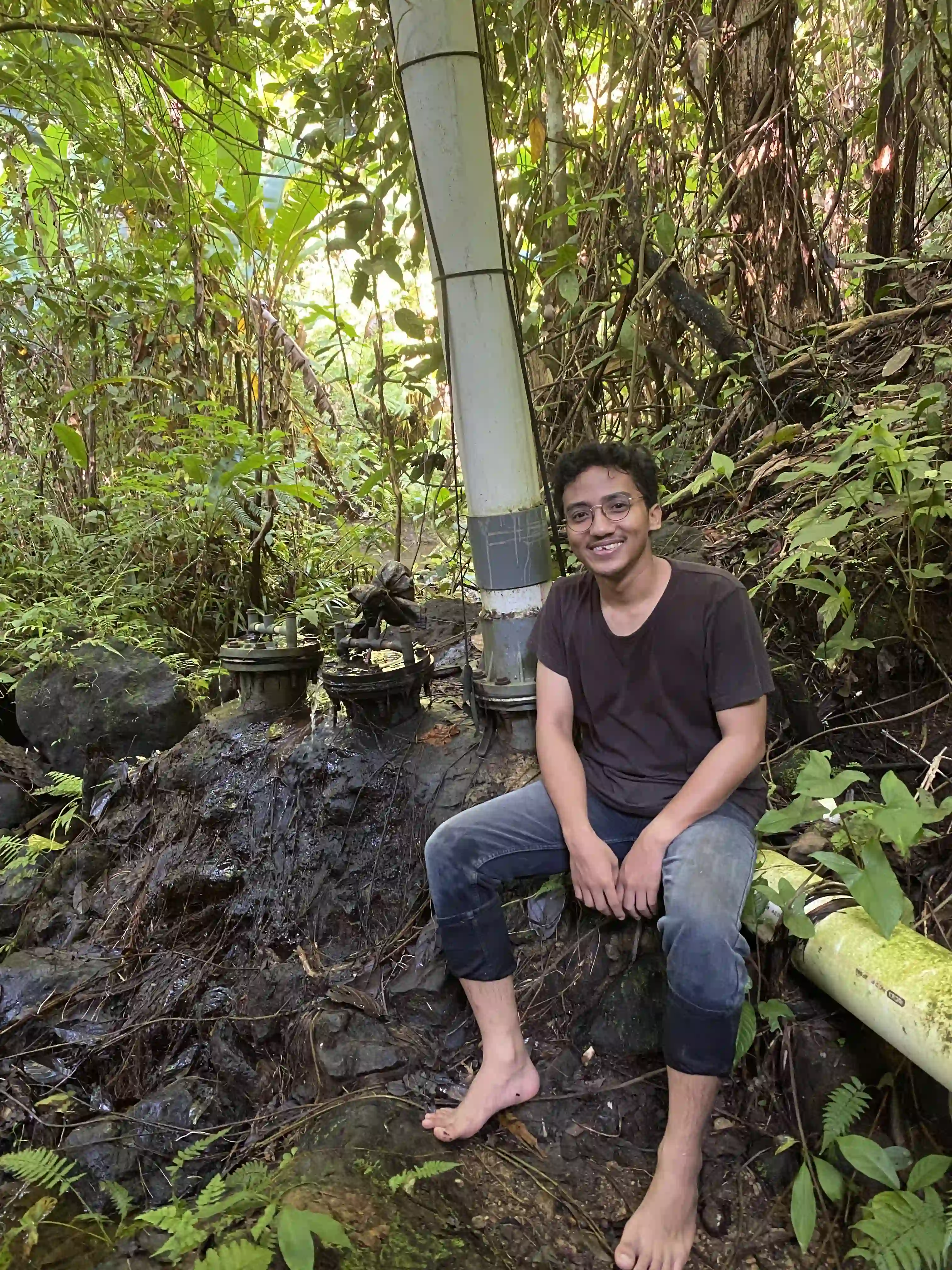
Together with my family, we built a hydram pump system for communities in Sembahe that struggled to access clean water in settlements far from the source. We also designed an automated condensation system for oyster mushroom cultivation in Medan. A third effort was a mathematics learning concept we called Marsiajar Manang Di Diape, which roughly means learning anywhere, in the Humbang Hasundutan area.
One thing is important to state clearly: all of this was done outside my formal routine as a master's student at USU. It was not assigned by a supervisor, and it was not part of a campus service program. It was collaboration between me and my own family.
I make that distinction not to diminish formal outreach, because I respect it, but because a central part of how I work is choosing problems based on what is directly entrusted to me by the communities I actually meet, not from a ready-made scheme. I do not see this as community service in the narrow institutional sense. I see it more as methodological discipline: good analytical methods should be tested in difficult places, not only on a benchmark dataset.
For research discussion, collaboration, or questions: badainusantara9@gmail.com. I respond within 2-3 working days. Download CV